The Transparency Shield: Reclaiming the Human Narrative
Under the EU AI Act, transparency is more than a checklist; it is a fundamental shift in the power dynamic between the observer and the observed. For the first time, the "Black Box"—those opaque systems that influence our newsfeeds, job prospects, and self-worth—must be forced to declare itself.
Disclosure as Digital Detox
Digital wellbeing is often framed as a personal responsibility: "put your phone away," or "limit your screen time." But true wellbeing is impossible if we don't know when we are being influenced by a machine. The Act's transparency clauses require AI systems to disclose their synthetic nature. This simple "label" acts as a cognitive circuit breaker, allowing us to pause and ask: Is this a human connection, or a statistical projection?
The End of the Invisible Mirror
Algorithms often act as invisible mirrors, reflecting only the parts of us that drive "engagement." This creates a distorted sense of reality and self. Transparency mandates regarding algorithmic decision-making (ADM) mean we can finally look behind the mirror. Understanding why an AI thinks we are fit for a role—or unfit for a loan—is the first step in dismantling the machine-generated biases that haunt our digital identities.
Wellbeing through Accountability
Transparency creates a trail. When a system must be explainable, it must also be accountable. This accountability reduces the psychological stress of the "invisible hand." We are moving from a state of digital subjection to digital participation.
The SYKAE Perspective: Knowledge is Sovereignty
We believe that transparency clauses are the "Warning Labels" for the mind. Just as we require nutritional facts on food to protect our physical wellbeing, we must require algorithmic facts to protect our spiritual health. Sovereignty begins with the truth.
The Path to Clarity
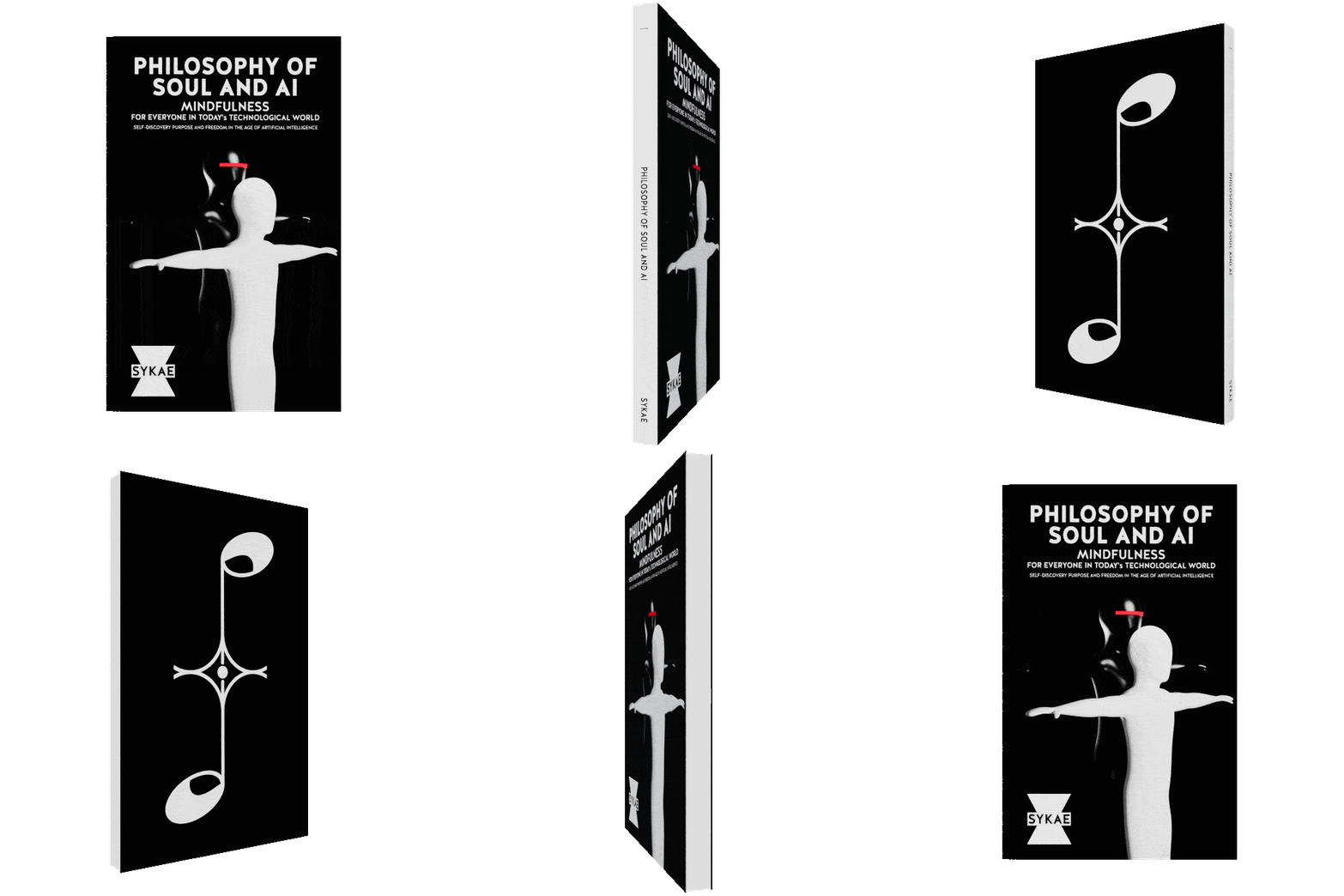
Digital wellbeing isn't about avoiding technology—it's about understanding it. Dive deeper into the framework for reclaiming your narrative in the age of the algorithm.
Get the Book